Introduction
Buying your first bicycle is an exciting step toward a healthier and more active lifestyle. However, with so many bicycle types, sizes, and features available, choosing the right one can be confusing for beginners. A bicycle that matches your needs will provide better comfort, safety, and enjoyment, while the wrong choice can make riding difficult and uncomfortable.
This guide will help you understand the most important factors to consider when selecting your first bicycle.
1. Determine Your Riding Purpose
The first step is identifying why you want a bicycle. Different bicycles are designed for different purposes.
For Fitness and Exercise
If your goal is to improve fitness, lose weight, or stay active, a hybrid bike or road bike is a good choice.
For Daily Commuting
If you plan to ride to work, school, or nearby places, a hybrid bike or city bike offers comfort and practicality.
For Off-Road Adventures
If you enjoy trails, rough roads, and outdoor adventures, a mountain bike is the best option.
For Casual Riding
For leisure rides in parks and neighborhoods, a simple hybrid or city bicycle is ideal.
2. Understand the Main Types of Bicycles
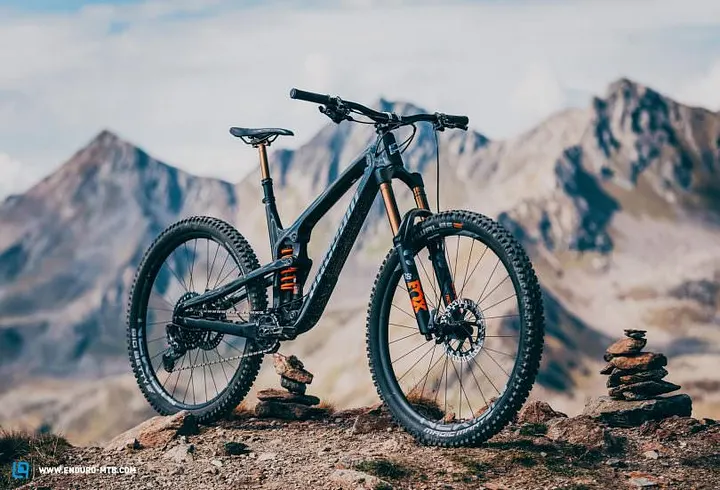
Mountain Bikes
Mountain bikes are designed for rough terrain and off-road riding.
Advantages:
- Strong frame
- Wide tires
- Better grip on uneven surfaces
Best For:
- Trails
- Hills
- Adventure riding
Road Bikes
Road bikes are built for speed on paved roads.
Advantages:
- Lightweight
- Fast and efficient
- Suitable for long-distance rides
Best For:
- Fitness enthusiasts
- Long road rides
Hybrid Bikes
Hybrid bikes combine features of mountain and road bikes.
Advantages:
- Comfortable riding position
- Versatile design
- Beginner-friendly
Best For:
- Daily commuting
- Fitness riding
- Casual cycling
For most beginners, a hybrid bike is often the best choice because it offers comfort, versatility, and ease of use.
3. Choose the Right Bicycle Size
A bicycle that fits properly is essential for comfort and safety.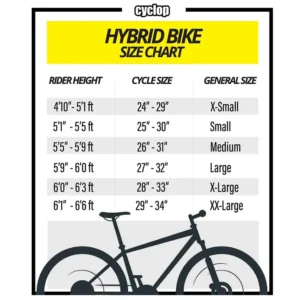
General Frame Size Guide
| Rider Height | Recommended Frame Size |
|---|---|
| 4’10” – 5’2″ | 13–15 inches |
| 5’2″ – 5’6″ | 15–17 inches |
| 5’6″ – 5’10” | 17–19 inches |
| 5’10” – 6’2″ | 19–21 inches |
| Above 6’2″ | 21+ inches |
Whenever possible, take a test ride before buying.
4. Gear vs Non-Gear Bicycles
Gear Cycles
Gear bicycles allow riders to adjust resistance according to terrain.
Pros:
- Easier climbing on hills
- Better performance on long rides
- More speed options
Cons:
- Higher maintenance
- More expensive
Non-Gear Cycles
Non-gear bicycles are simpler and easier to maintain.
Pros:
- Affordable
- Easy to use
- Low maintenance
Cons:
- Less efficient on steep roads
For beginners riding mainly in cities, a non-gear bicycle can be an excellent starting option.
5. Set Your Budget
Your budget plays an important role in determining the bicycle you can buy.
₹5,000 – ₹10,000
Suitable for casual riders and beginners.
₹10,000 – ₹20,000
Ideal for regular commuting and fitness cycling.
₹20,000+
Best for serious cyclists who want advanced features and better performance.
It is often worth spending a little more on quality, comfort, and durability.
6. Check the Frame Material
Steel Frame
Advantages:
- Strong and durable
- Affordable
Disadvantages:
- Heavier than other materials
Aluminum Frame
Advantages:
- Lightweight
- Rust-resistant
- Durable
Disadvantages:
- Slightly more expensive
Most beginners find aluminum-frame bicycles to be the best balance between weight, durability, and price.
7. Focus on Comfort
Comfort is one of the most important factors for new cyclists.
Look for:
- Comfortable saddle
- Adjustable seat height
- Proper handlebar position
- Good riding posture
- Shock absorption if needed
A comfortable bicycle encourages longer and more frequent rides.
8. Choose Reliable Brakes
Brakes are essential for safety.
Rim Brakes
- Affordable
- Easy maintenance
- Common on entry-level bicycles
Disc Brakes
- Better stopping power
- Perform well in wet conditions
- More expensive
For most beginners, either option is acceptable, but disc brakes provide additional confidence and control.
9. Essential Cycling Accessories
Don’t forget to purchase important accessories.
Helmet
A helmet is the most important safety accessory.
Bicycle Lock
Protects your bicycle from theft.
Lights
Front and rear lights improve visibility.
Water Bottle Holder
Keeps hydration easily accessible.
Bell
Useful for alerting pedestrians and other riders.
These accessories improve both safety and convenience.
Common Mistakes Beginners Should Avoid
Buying the Wrong Size
An incorrectly sized bicycle can cause discomfort and poor riding performance.
Choosing Based Only on Looks
Focus on comfort, quality, and functionality rather than appearance.
Ignoring Maintenance
Regular maintenance extends the life of your bicycle.
Buying Without Research
Compare models, reviews, and features before making a decision.
Skipping a Test Ride
Testing a bicycle helps ensure it feels comfortable and suits your riding style.
Final Tips
Before buying your first bicycle:
- Define your riding purpose.
- Choose the correct bicycle type.
- Select the right frame size.
- Stay within your budget.
- Prioritize comfort and safety.
- Read reviews and compare options.
- Invest in essential accessories.
Conclusion
Choosing the right bicycle for beginners is easier when you understand your needs and the available options. Whether you plan to ride for fitness, commuting, or recreation, selecting the right bicycle will make your cycling journey enjoyable and rewarding. Focus on comfort, proper sizing, quality components, and safety features to ensure a great riding experience. With the right bicycle, you’ll be ready to enjoy the many physical, mental, and lifestyle benefits that cycling has to offer.