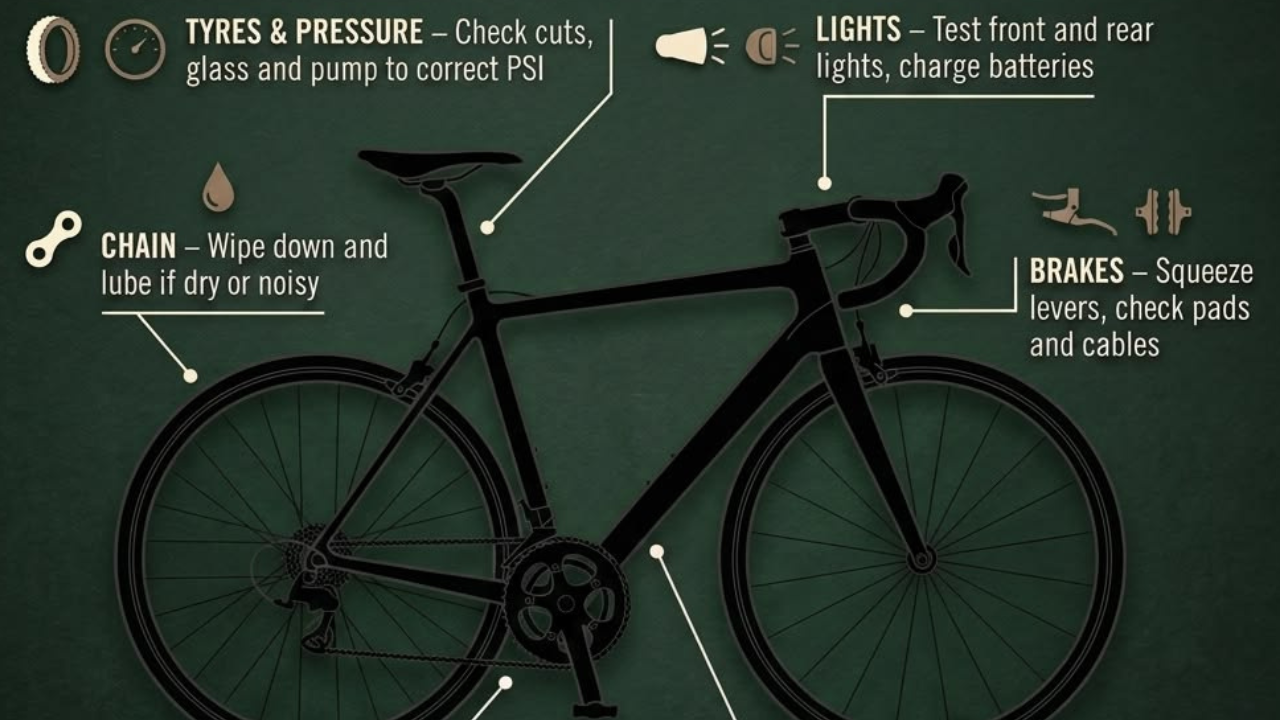
How to Maintain Your Bicycle for Long Life: A Complete Guide
Introduction
A bicycle is more than just a mode of transportation. For many people, it is a fitness companion, an eco-friendly commuting option, and a source of adventure. Whether you use your bicycle for daily commuting, exercise, weekend rides, or long-distance touring, proper maintenance is essential for ensuring its performance, safety, and longevity.
Many cyclists focus on riding but often neglect regular maintenance. As a result, parts wear out faster, repairs become expensive, and the bicycle’s lifespan decreases significantly. Fortunately, maintaining a bicycle does not require advanced mechanical skills. With a few simple habits and regular inspections, you can keep your bike running smoothly for years.
In this comprehensive guide, you’ll learn everything you need to know about bicycle maintenance, from cleaning and lubrication to tire care, brake adjustments, and storage practices.
Why Bicycle Maintenance is Important
Regular bicycle maintenance offers several benefits:
- Extends the lifespan of your bicycle
- Improves riding performance
- Enhances rider safety
- Reduces repair costs
- Prevents unexpected breakdowns
- Improves comfort during rides
- Maintains resale value
A well-maintained bicycle not only performs better but also provides a safer and more enjoyable riding experience.
Understanding the Main Parts of a Bicycle
Before discussing maintenance, it is important to understand the key components of a bicycle:
Frame
The main structure that supports all bicycle components.
Tires and Wheels
Responsible for traction, balance, and smooth movement.
Chain
Transfers power from the pedals to the rear wheel.
Gears
Allow riders to adjust resistance based on terrain.
Brakes
Provide stopping power and rider safety.
Pedals and Crankset
Convert leg power into forward motion.
Saddle
Provides comfort and support during rides.
Handlebars
Control steering and rider positioning.
Each component requires periodic inspection and care.
Clean Your Bicycle Regularly
One of the simplest yet most effective maintenance practices is regular cleaning.
Dirt, mud, dust, and moisture can accelerate wear on bicycle components. A dirty bike not only looks bad but also experiences more friction and mechanical problems.
How to Clean a Bicycle Properly
Step 1: Rinse Lightly
Use a bucket of water or a gentle hose spray.
Avoid high-pressure water because it can force dirt and moisture into bearings and sensitive components.
Step 2: Apply Bike Cleaner
Use a bicycle-specific cleaner or mild soap solution.
Clean:
- Frame
- Wheels
- Fork
- Handlebars
- Saddle
Step 3: Scrub Gently
Use soft brushes or sponges to remove dirt buildup.
Pay extra attention to:
- Chain
- Cassette
- Derailleur
- Brake components
Step 4: Dry Thoroughly
Use a clean microfiber cloth.
Never leave moisture on metal parts because it can lead to rust.
Keep the Chain Properly Lubricated
The bicycle chain is one of the hardest-working components on the bike.
Without lubrication, the chain experiences:
- Increased friction
- Faster wear
- Poor shifting performance
- Rust formation
How to Lubricate a Bicycle Chain
Clean First
Remove dirt and old lubricant before applying new lubricant.
Apply Lubricant Carefully
Rotate the pedals backward while applying lubricant to each chain link.
Wipe Excess Lubricant
Too much lubricant attracts dirt and dust.
Only a thin protective layer is needed.
How Often Should You Lubricate?
- Weekly for regular riders
- After riding in rain
- After washing the bicycle
- Whenever the chain appears dry or noisy
Proper chain lubrication can significantly extend drivetrain life.
Maintain Proper Tire Pressure
Tires play a critical role in ride quality and efficiency.
Incorrect tire pressure can cause:
- Poor handling
- Increased punctures
- Faster tire wear
- Reduced riding efficiency
Check Tire Pressure Frequently
Use a pressure gauge to ensure tires are inflated according to manufacturer recommendations.
Most bicycles have pressure guidelines printed on the tire sidewall.
Benefits of Correct Tire Pressure
- Better traction
- Smoother ride
- Reduced rolling resistance
- Improved fuel-free efficiency
- Longer tire life
Check tire pressure at least once per week.
Inspect Tires for Damage
Tires constantly contact the road and are vulnerable to wear.
Look for:
- Cracks
- Cuts
- Embedded glass
- Sharp objects
- Worn tread patterns
Replace tires if they show significant wear.
Ignoring damaged tires increases the risk of punctures and accidents.
Check Brakes Regularly
Brakes are one of the most important safety features on a bicycle.
Poorly maintained brakes can result in dangerous situations.
Inspect Brake Pads
Check for:
- Excessive wear
- Cracks
- Uneven surfaces
Replace worn brake pads immediately.
Test Brake Performance
Squeeze both brake levers.
They should:
- Respond quickly
- Feel firm
- Stop the bicycle effectively
Adjust Brake Cables
If brakes feel loose or weak, cable adjustments may be required.
Proper brake maintenance ensures maximum safety during every ride.
Keep Gears Working Smoothly
Modern bicycles often include gear systems that improve riding efficiency.
Poor gear maintenance can cause:
- Skipping gears
- Slow shifting
- Increased chain wear
Clean the Drivetrain
Regularly clean:
- Chain
- Cassette
- Chainrings
- Derailleur
Check Gear Alignment
If shifting feels inconsistent, the derailleur may require adjustment.
Smooth gear operation improves comfort and performance.
Inspect Wheel Alignment
Wheels should spin straight without wobbling.
Misaligned wheels can:
- Reduce efficiency
- Affect handling
- Cause uneven tire wear
How to Check Wheel Alignment
Lift the bicycle and spin each wheel.
Watch for:
- Side-to-side movement
- Uneven rotation
- Brake rubbing
Professional wheel truing may be necessary if wobbling is significant.
Tighten Loose Bolts and Components
Over time, vibrations from riding can loosen bolts.
Inspect:
- Handlebars
- Saddle
- Pedals
- Bottle cages
- Brake mounts
- Wheel attachments
Use appropriate tools to ensure components remain secure.
Avoid overtightening because it can damage parts.
Maintain the Bicycle Saddle
A comfortable saddle improves the riding experience.
Check for:
- Loose mounting hardware
- Cracks
- Excessive wear
Adjust saddle height properly to prevent knee and back discomfort.
A correctly positioned saddle increases efficiency and comfort.
Care for the Bicycle Frame
The frame is the foundation of the bicycle.
Inspect regularly for:
- Scratches
- Paint damage
- Rust spots
- Structural cracks
Rust Prevention Tips
- Keep the bike dry
- Store indoors
- Touch up paint chips
- Clean after rainy rides
A well-maintained frame can last for decades.
Protect Bearings and Moving Parts
Bearings allow smooth rotation in:
- Wheels
- Headset
- Bottom bracket
Signs of bearing problems include:
- Grinding noises
- Resistance during movement
- Unusual vibrations
Periodic servicing keeps bearings functioning efficiently.
Store Your Bicycle Correctly
Proper storage significantly affects bicycle lifespan.
Best Storage Practices
Store Indoors
Protect the bike from:
- Rain
- Sunlight
- Humidity
Use a Bike Stand
Keeping the bike elevated prevents unnecessary tire stress.
Avoid Extreme Temperatures
Heat and moisture can damage rubber and metal components.
A dry garage or indoor storage area is ideal.
Protect Your Bicycle from Rust
Rust is a major enemy of bicycles.
To prevent rust:
- Keep the bike dry
- Wipe off water after rides
- Lubricate metal components
- Store indoors
- Address paint chips quickly
Preventing rust is much easier than removing it.
Perform a Quick Safety Check Before Every Ride
A simple 2-minute inspection can prevent many problems.
Check the ABC Method
A – Air
Ensure tires are properly inflated.
B – Brakes
Verify braking performance.
C – Chain
Check lubrication and chain condition.
This quick routine improves safety and reliability.
Seasonal Bicycle Maintenance
Summer Maintenance
- Monitor tire pressure
- Clean dust frequently
- Protect from excessive sunlight
Rainy Season Maintenance
- Clean after wet rides
- Dry thoroughly
- Lubricate chain more often
Winter Maintenance
- Protect against moisture
- Store indoors
- Inspect for rust regularly
Adjust maintenance habits according to weather conditions.
Common Bicycle Maintenance Mistakes
Many cyclists unknowingly shorten their bike’s lifespan.
Avoid these common mistakes:
Ignoring Small Problems
Minor issues often become major repairs.
Over-Lubricating the Chain
Excess lubricant attracts dirt.
Skipping Cleaning
Dirt accelerates wear on components.
Riding with Low Tire Pressure
This increases rolling resistance and tire damage.
Delaying Brake Repairs
Brake issues should never be ignored.
Maintenance Schedule for Long Bicycle Life
Before Every Ride
- Check tire pressure
- Test brakes
- Inspect chain
Weekly
- Clean bike
- Lubricate chain
- Inspect tires
Monthly
- Tighten bolts
- Check wheel alignment
- Examine brake pads
Every 3–6 Months
- Full drivetrain cleaning
- Bearing inspection
- Professional tune-up if necessary
Consistency is the key to extending bicycle lifespan.
Signs Your Bicycle Needs Professional Service
While many maintenance tasks can be done at home, some situations require professional attention.
Seek professional servicing if you notice:
- Persistent gear problems
- Brake failure
- Wheel wobbling
- Bearing noise
- Frame damage
- Cracked components
Professional mechanics can identify issues before they become serious.
Conclusion
A bicycle can provide many years of reliable service when properly maintained. Regular cleaning, chain lubrication, tire inspections, brake checks, and proper storage are essential habits that protect your investment and improve riding performance.
The key to long bicycle life is consistency. Small maintenance tasks performed regularly can prevent costly repairs and ensure a safer, smoother, and more enjoyable riding experience. Whether you are a casual rider or a dedicated cyclist, taking care of your bicycle will reward you with better performance, lower maintenance costs, and countless miles of worry-free riding.
Remember, a well-maintained bicycle is not only faster and safer—it also lasts significantly longer. Start implementing these maintenance practices today and enjoy the benefits of a bicycle that stays in excellent condition for years to come.